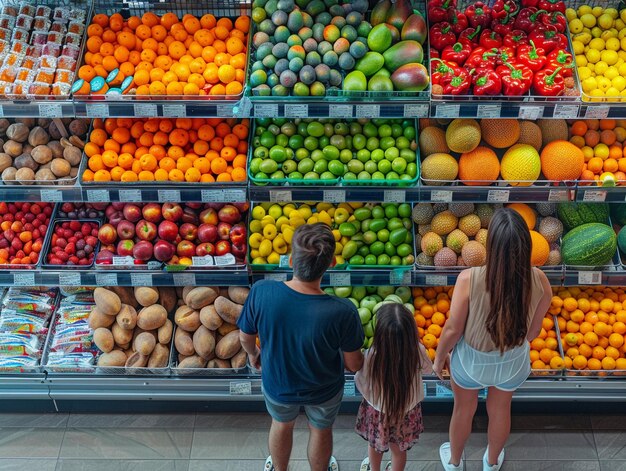
What Are Food Stamps? How the SNAP Program Works
If you've heard the term "food stamps" and wondered what it actually means today — how people qualify, what it covers, and how the benefits work in practice — this guide breaks it down clearly.
"Food Stamps" Is Now Called SNAP
The term food stamps is still widely used, but the program was officially renamed the Supplemental Nutrition Assistance Program (SNAP) in 2008. The old paper coupon books are gone too. Benefits are now loaded onto an EBT card (Electronic Benefits Transfer) — a debit-style card used at checkout like any other payment method.
SNAP is a federal nutrition assistance program administered by the U.S. Department of Agriculture (USDA), but delivered at the state level. That means eligibility rules, application processes, and some program details can vary depending on where you live.
What Is SNAP Designed to Do?
SNAP's core purpose is straightforward: help people with low incomes afford groceries. It's designed as a supplement — meaning it's intended to help stretch a food budget, not necessarily cover all food costs. The name reflects that directly.
Benefits can be used to purchase most food and beverage items at authorized retailers, including:
- Fruits and vegetables
- Meat, poultry, and fish
- Dairy products
- Bread, cereals, and grains
- Seeds and plants that produce food
What SNAP does not cover includes alcohol, tobacco, vitamins, prepared hot foods ready to eat in-store, and non-food household items. Some exceptions exist for certain populations (like elderly or disabled individuals in specific meal programs), but these are the general rules.
Who Can Qualify for SNAP? 🍎
Eligibility is based on a combination of factors. No single factor tells the whole story — the full picture matters.
The Main Eligibility Factors
| Factor | What It Means |
|---|---|
| Household size | Everyone who lives and eats together counts as one household unit |
| Gross income | Total household income before deductions, compared to federal poverty guidelines |
| Net income | Income after allowable deductions (housing costs, childcare, medical expenses, etc.) |
| Residency | Applicants must live in the state where they apply |
| Citizenship/immigration status | U.S. citizens and certain qualifying non-citizens may be eligible |
| Work requirements | Some able-bodied adults without dependents face work or job-training requirements |
| Resources/assets | Some households must meet limits on countable assets; many households are exempt |
Because income thresholds are tied to the federal poverty level, and household size directly affects those thresholds, two families with the same income can have very different eligibility outcomes depending on how many people they're feeding.
Deductions matter significantly. A household with high housing costs or out-of-pocket medical expenses may have a much lower "net income" for SNAP purposes than their raw paycheck suggests — which can affect both eligibility and benefit amount.
How Much Do SNAP Benefits Provide?
Benefit amounts are calculated individually for each household based on income, household size, and allowable deductions. There is no single flat amount.
The federal government sets a maximum benefit for each household size, and most households receive less than the maximum based on their net income. As a general principle: the lower a household's net income relative to the poverty line, the closer to the maximum benefit they're likely to receive.
Benefit amounts are reviewed periodically and adjusted based on food cost indices. Because these figures change, checking the USDA SNAP website or your state's benefits portal gives you the most current numbers for your household size.
How Does the Application Process Work?
SNAP applications are handled at the state level, which means the process looks somewhat different depending on where you live. That said, the general steps are consistent:
- Apply — through your state's SNAP office, online portal, in person, or sometimes by mail or phone
- Interview — most applicants must complete an interview (often by phone) with a caseworker
- Verification — you'll typically need to provide documentation: proof of identity, residency, income, household expenses, and sometimes immigration or citizenship status
- Decision — states are generally required to process applications within a set timeframe; expedited processing exists for households in urgent need
If approved, benefits are loaded onto your EBT card on a recurring monthly basis. The card works at any SNAP-authorized retailer, which includes most major grocery chains, many smaller stores, and an increasing number of farmers markets and online grocery platforms.
Common Misconceptions Worth Clearing Up 💡
"You have to be unemployed to qualify." Not true. Many working households qualify for SNAP — especially larger families or those with significant housing or childcare costs. Employment income is counted, but it doesn't automatically disqualify someone.
"SNAP and welfare are the same thing." They're separate programs. SNAP specifically addresses food. Other assistance programs — like Medicaid (health coverage) or TANF (cash assistance) — are distinct, with their own eligibility rules.
"Benefits are the same everywhere." The federal structure is consistent, but states have flexibility in how they administer SNAP, what deductions they recognize, and how they handle work requirements. Some states have broader eligibility rules than others.
"Once approved, benefits stay the same forever." SNAP requires periodic recertification — typically every 6 to 12 months, though this varies by state and household type. Changes in income, household size, or expenses should generally be reported and will affect benefits.
Other Food Assistance Programs Connected to SNAP
SNAP is the largest federal food assistance program, but it's part of a broader landscape:
- WIC (Women, Infants, and Children) — targets specific nutritional needs for pregnant women, new mothers, infants, and young children
- National School Lunch and Breakfast Programs — provide free or reduced-price meals to eligible students
- CSFP (Commodity Supplemental Food Program) — serves low-income seniors
- Food banks and pantries — community-based resources that operate independently of federal programs
Some households use multiple programs simultaneously; others may qualify for some but not others. Eligibility rules differ across all of them.
What Someone Evaluating SNAP Would Need to Consider
Whether SNAP could apply to your situation depends on factors only you can assess: your household's size and composition, your income sources and amounts, your monthly expenses, your state of residence, and your immigration status if applicable. The interaction between those variables — not any single factor — determines eligibility and benefit level.
State SNAP agencies and nonprofit benefits navigators (such as those connected to 211 helplines) can help people understand what applies to their specific circumstances without charge.